
Erectile dysfunction treatment: answers to common questions
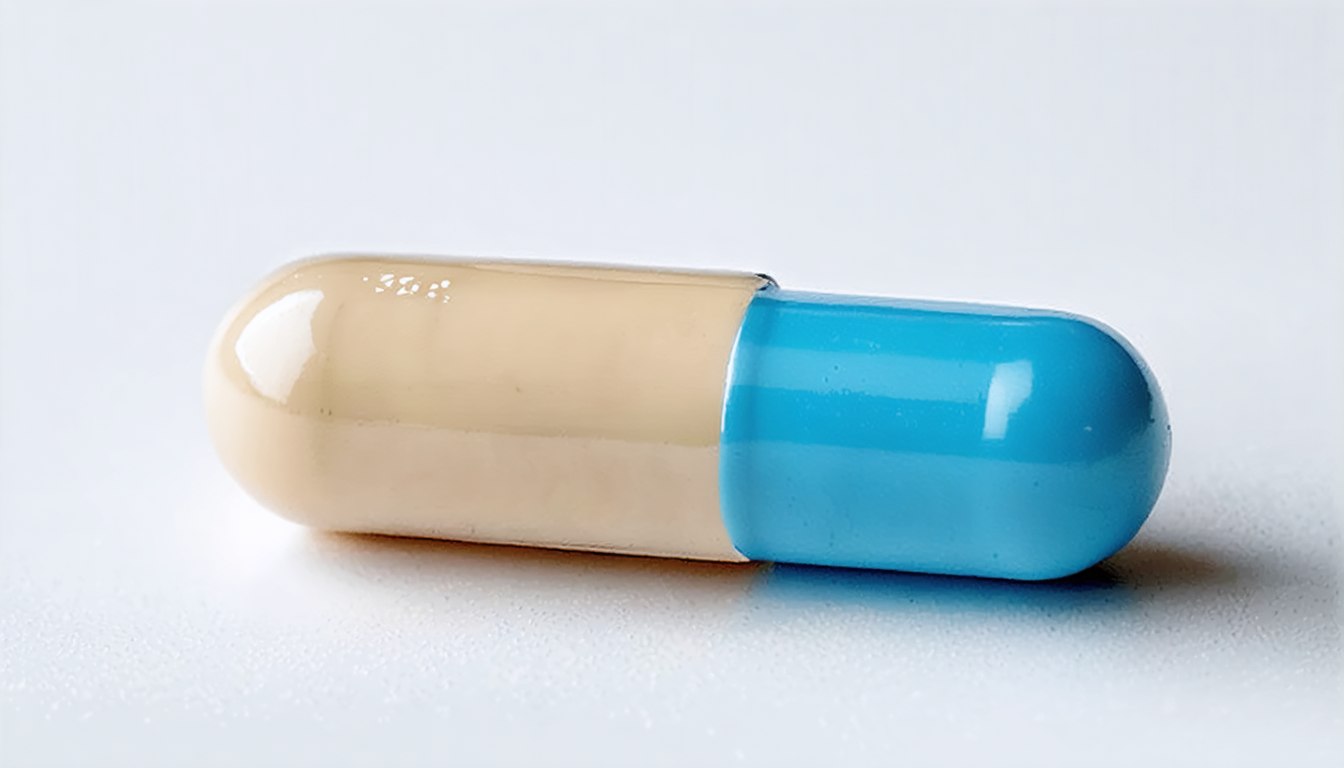
“Erectile dysfunction treatment” — answers to the main questions
Disclaimer: This article is for informational purposes only and does not replace professional medical advice, diagnosis, or treatment. Always consult a qualified healthcare provider regarding any concerns about your health.
Frequently asked questions (FAQ block at the beginning)
What is erectile dysfunction?
Erectile dysfunction (ED) is the persistent inability to achieve or maintain an erection sufficient for satisfactory sexual activity. Occasional difficulty is common and not necessarily a sign of disease. ED is diagnosed when the problem is ongoing and causes distress.
Why does erectile dysfunction happen?
ED can result from physical causes (such as cardiovascular disease, diabetes, hormonal imbalance), psychological factors (stress, anxiety, depression), or a combination of both. Lifestyle habits like smoking, excessive alcohol use, and inactivity also contribute. Certain medications may affect erectile function.
How can I recognize the symptoms?
Common signs include difficulty getting an erection, trouble maintaining it, or reduced sexual desire. Symptoms may develop gradually or suddenly. If these issues persist for several weeks or months, medical evaluation is recommended.
Is erectile dysfunction dangerous?
ED itself is not life-threatening, but it can signal underlying health problems, especially heart and blood vessel disease. Because penile arteries are small, they may show signs of vascular disease earlier than coronary arteries. Early evaluation may help prevent serious complications.
What helps treat erectile dysfunction?
Treatment depends on the cause and may include lifestyle changes, oral medications, psychological counseling, medical devices, or other therapies. Managing chronic conditions like diabetes or hypertension is essential. A personalized approach offers the best results.
When should I see a doctor?
Seek medical advice if erectile problems persist, worsen, or cause stress in your relationship. Immediate care is needed if ED is accompanied by chest pain, severe pelvic trauma, or sudden neurological symptoms. Early consultation improves outcomes.
Can erectile dysfunction be reversed naturally?
In some cases, yes. Improving diet, increasing physical activity, quitting smoking, reducing alcohol intake, and managing stress can significantly improve erectile function. However, medical evaluation is still important to rule out underlying conditions.
Are ED medications safe?
Prescription medications for ED are generally safe when used under medical supervision. They may not be suitable for people taking nitrates or with certain heart conditions. A healthcare provider will assess risks and benefits before prescribing.
Does age always cause erectile dysfunction?
Aging increases the risk of ED, but it is not an inevitable part of growing older. Many healthy older men maintain normal erectile function. Age-related conditions, rather than age itself, are usually responsible.
Can stress or anxiety cause erection problems?
Yes. Psychological factors such as performance anxiety, relationship issues, or chronic stress can interfere with sexual arousal. Counseling or sex therapy may help when emotional factors are involved.
Is erectile dysfunction linked to heart disease?
Yes, ED is strongly associated with cardiovascular disease. It may appear years before heart symptoms. Men with ED should consider cardiovascular risk assessment.
What if treatment does not work?
If first-line therapies are ineffective, other options are available. A urologist or specialist in men’s health can discuss alternative approaches. Comprehensive evaluation helps identify overlooked causes.
Detailed breakdown
1. Causes and risk factors
Erectile dysfunction treatment begins with identifying the cause. Physical causes include atherosclerosis, hypertension, diabetes, obesity, hormonal disorders (such as low testosterone), and neurological conditions. Psychological causes involve anxiety, depression, and relationship stress.
Risk factors include smoking, sedentary lifestyle, poor diet, excessive alcohol use, and sleep disorders. Learn more about prevention strategies in our blog section.
2. Diagnostic process
A medical evaluation may include a physical exam, blood tests (glucose, cholesterol, hormone levels), blood pressure measurement, and review of medications. In some cases, specialized tests assess blood flow or nocturnal erections.
Early diagnosis not only improves sexual health but may detect chronic diseases at an earlier stage. For broader health screening insights, see our materials in Uncategorized.
3. Treatment options for erectile dysfunction
Treatment depends on individual factors and may involve:
- Lifestyle modification (exercise, weight loss, smoking cessation).
- Oral phosphodiesterase type 5 (PDE5) inhibitors.
- Psychological counseling or sex therapy.
- Vacuum erection devices.
- Hormonal therapy in confirmed deficiency.
- Surgical options in selected cases.
A healthcare professional will determine the safest and most appropriate approach.
4. Psychological and relationship aspects
Emotional well-being plays a major role in sexual performance. Anxiety about performance can worsen symptoms, creating a cycle of stress and dysfunction. Open communication with a partner and, when needed, therapy can improve outcomes.
5. Prevention and long-term management
Preventing ED overlaps with cardiovascular prevention: balanced diet, regular aerobic exercise, blood sugar control, and maintaining healthy cholesterol levels. Regular checkups are essential, especially for men over 40 or those with risk factors.
Checklist: what you can do today
- Schedule a medical checkup if symptoms persist.
- Monitor blood pressure, blood sugar, and cholesterol.
- Engage in at least 150 minutes of moderate exercise weekly.
- Adopt a heart-healthy diet (vegetables, fruits, whole grains, lean proteins).
- Quit smoking and limit alcohol intake.
- Manage stress through relaxation techniques or counseling.
- Improve sleep quality (7–9 hours per night).
- Review current medications with a healthcare provider.
- Maintain open communication with your partner.
- Avoid unverified “natural” supplements without medical advice.
| Symptom / Situation | Urgency Level | Where to Seek Help |
|---|---|---|
| Occasional difficulty with erection | Low | Primary care physician during routine visit |
| Persistent erectile problems (over several weeks) | Moderate | Family doctor or urologist |
| ED with diabetes, hypertension, or heart disease | Moderate to High | Primary care physician + specialist referral |
| Sudden ED with chest pain or severe symptoms | Emergency | Emergency department |
| ED causing severe emotional distress | Moderate | Doctor and/or licensed therapist |
Sources
- American Urological Association (AUA) — Erectile Dysfunction Guidelines
- European Association of Urology (EAU) — Guidelines on Sexual and Reproductive Health
- National Institute of Diabetes and Digestive and Kidney Diseases (NIDDK)
- National Institutes of Health (NIH)
- Centers for Disease Control and Prevention (CDC)
- World Health Organization (WHO)
- Mayo Clinic — Erectile Dysfunction Overview